
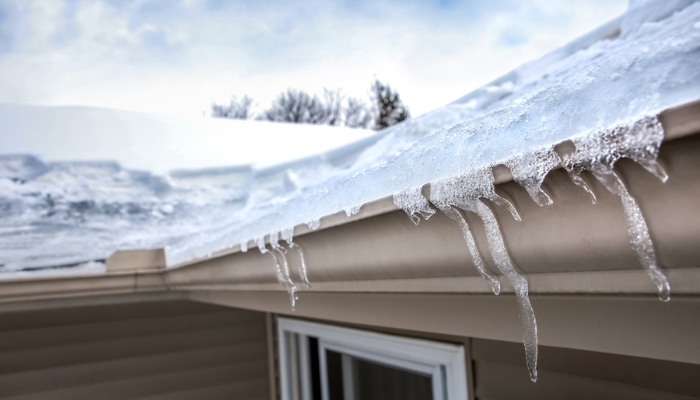
Winter can be tough on your home. Freezing temperatures, snow, ice, and repeated freeze-thaw cycles quietly stress your exterior surfaces. The problem is, many homeowners don’t notice winter damage until spring — when small issues have already turned into expensive repairs.
Knowing what to look for now can save you time, money, and headaches later.
Why Winter Damage Spreads So Quickly
Cold weather causes materials to expand and contract. When moisture sneaks into tiny cracks and freezes, it expands — making those cracks larger over time. What starts as a hairline issue can quickly become structural damage once temperatures rise.
Early detection is key.
1. Check Your Siding for Cracks or Warping
Vinyl, fiber cement, and wood siding can all show signs of winter stress.
Look for:
- Cracked or split panels
- Warped or buckling siding
- Loose sections after high winds
Even small openings allow moisture behind the siding, which can lead to rot or mold once temperatures warm up.
2. Inspect Brick and Mortar Closely
Brick homes are especially vulnerable to freeze-thaw damage.
Warning signs include:
- Crumbling or missing mortar
- Flaking brick faces (spalling)
- Small vertical or stair-step cracks
If mortar begins to fail, water can penetrate deeper into the wall system and spread damage rapidly.
3. Look for Early Roof Trouble
Snow and ice buildup can hide roof problems until they worsen.
Check for:
- Missing or lifted shingles
- Ice dam damage along roof edges
- Sagging areas or dark streaks
If water backs up under shingles, it can travel into your attic or wall cavities — often unnoticed until spring leaks appear.
4. Examine Foundation and Basement Areas
Cold temperatures put extra stress on foundations.
Keep an eye out for:
- New hairline cracks
- Expanding existing cracks
- Water stains or damp smells in basements
Small foundation cracks can grow quickly once water intrusion begins.
5. Don’t Ignore Gutters and Downspouts
Ice and snow can pull gutters away from the house or cause blockages.
Watch for:
- Sagging or detached gutters
- Ice damage at gutter seams
- Downspouts not directing water away from the foundation
Improper drainage is one of the fastest ways winter damage spreads.
Why Early Repairs Matter
Catching damage early:
- Prevents moisture from spreading
- Reduces repair costs
- Protects structural integrity
- Extends the life of your exterior
Waiting until visible damage worsens often means more extensive — and expensive — repairs.
Schedule a Professional Exterior Inspection
Some winter damage isn’t easy to spot from the ground. A professional inspection can identify hidden issues before they turn into major problems.
Kelly Lang Contractors helps homeowners address exterior damage early — protecting your investment year-round.
If you’re unsure about what you’re seeing, it’s better to ask now than repair later.