
Tuck Pointing & More
Tuck Pointing Repair
We offer whole home tuck pointing, historical brick restoration, and commercial restoration services.
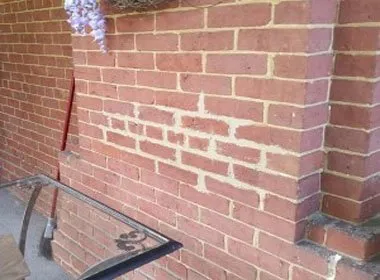
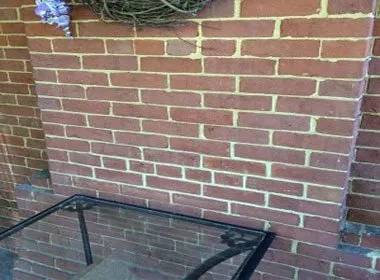
Crumbling mortar in between masonry units creates a space where water can enter. This water infiltration can cause leaks or worsen underlying foundation settlement, leading to further deterioration and costly structural problems. Tuck Pointing, often called re-pointing, involves grinding out the bad mortar, and replacing it with new. We also have the ability to color the new mortar to match existing! No more eye-sore patches!
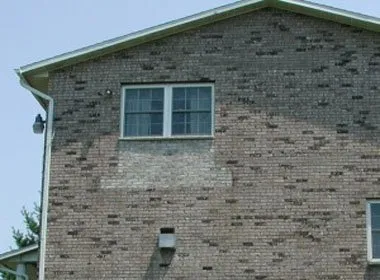
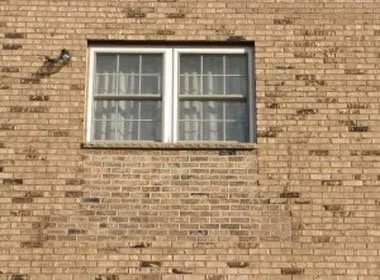
Brick Color Harmonizing
We patch using our custom kits that allow us to color harmonize the patch area. This provides a finished product that doesn’t “stick out like a sore thumb.” We take pride in being able to make your home look as close to original as possible. If you cannot tell where the patch is, we have met our goal.
Chimney Repair
We offer chimney recapping, and repair services. Including tuck pointing, custom stainless or aluminum caps, brick replacement, sealing, and brick color harmonization.
What Causes Mortar to Deteriorate?
Mortar doesn’t last forever, and several things speed up its decline:
- Age and weathering from rain, wind, and sun
- Freeze-thaw cycles that expand water trapped in the joints
- Gutters or downspouts that spill water down the wall
- Movement in the structure from foundation settlement
- Earlier repairs done with mismatched or poorly bonded mortar
When the cause is something ongoing, like water running down the wall, fixing the mortar alone won’t hold. We look at what’s driving the damage as well as the damage itself.
Signs You Need Tuck Pointing Repair
Mortar is designed to wear away before the brick does, so some weathering over the years is normal. It’s time to look closer when you see:
- Crumbling, sandy, or powdery mortar
- Cracks or gaps in the mortar joints
- Joints that are deeply recessed
- Loose or shifting bricks
- White powdery deposits on the brick surface
- Water stains or damp spots on interior walls near brick
- Plants or moss growing in the joints
Catching deterioration early usually means a smaller repair. Left alone, the gaps let in more water, and the damage spreads from the mortar to the brick itself.
How Tuck Pointing Repair Works
Tuck pointing, often called re-pointing, restores the mortar between bricks or blocks. The process generally goes like this:
- Inspect the masonry to find where the mortar has failed
- Grind out the deteriorated mortar
- Clean out the joints
- Fill the joints with new mortar and finish them to match the surrounding wall
- Color-match the new mortar so the repair blends in
Good tuck pointing depends on preparation. New mortar bonds best to clean, properly prepared joints, which is why removing the old material thoroughly matters more than rushing the fill.
Why Crumbling Mortar Shouldn’t Wait
Failing mortar joints are small openings that let water into the wall. In our climate, that water can freeze and expand in cold weather, widening gaps and loosening bricks season after season. Moisture in masonry can also lead to interior leaks and damp walls, and it can add to problems already underway, including foundation settlement and bowed basement walls. Tuck pointing is often a smaller repair than the damage it helps prevent.
Care for Older and Historic Brick
Older homes often have masonry that behaves differently from modern construction, including softer brick and mortar mixes. That’s one reason historic masonry deserves a careful approach rather than a one-size-fits-all patch. We offer historical brick restoration alongside whole-home and commercial tuck pointing, and the goal on every job is the same: a repair that protects the wall and looks as close to original as possible.
Chimney Repair and Recapping
Chimneys take the worst of the weather, so their mortar joints and caps tend to wear faster than the rest of the house. Watch for crumbling mortar, loose or flaking bricks, white staining, rust, or a cracked or missing cap. Our chimney services include tuck pointing, recapping, custom stainless or aluminum caps, brick replacement, sealing, and brick color harmonization.
Masonry Repair in the Mid-Ohio Valley
Kelly Lang Contractors provides tuck pointing and masonry repair for homeowners and commercial properties within a 100-mile radius of Waterford, Ohio, across Ohio and West Virginia. Check our service area page or call to confirm we cover your town.
Trusted Masonry and Home Renovation in Ohio and West Virginia
At Kelly Lang Contractors, we know that lasting home improvements start with strong foundations and expert masonry. Our tuck pointing and brick repair services are part of a complete approach to home renovation in OH and WV, helping homeowners restore their property’s structure, safety, and beauty. From minor exterior fixes to full foundation restoration, shifting masonry issues can also accompany bowed basement walls, requiring a comprehensive repair approach to protect your home.
Need help with tuck pointing?
Is tuck pointing the same as repointing?
The terms are often used interchangeably, and we use them that way here. Both refer to replacing deteriorated mortar between masonry units.
How do I know if my home needs tuck pointing?
Look for crumbling or missing mortar, gaps in the joints, loose bricks, or moisture stains near brick walls. If you’re unsure, we’re happy to take a look during a free consultation.
Will tuck pointing stop my leak?
It addresses one common way water gets into masonry, but leaks can have more than one source. That’s why finding the cause comes first.