
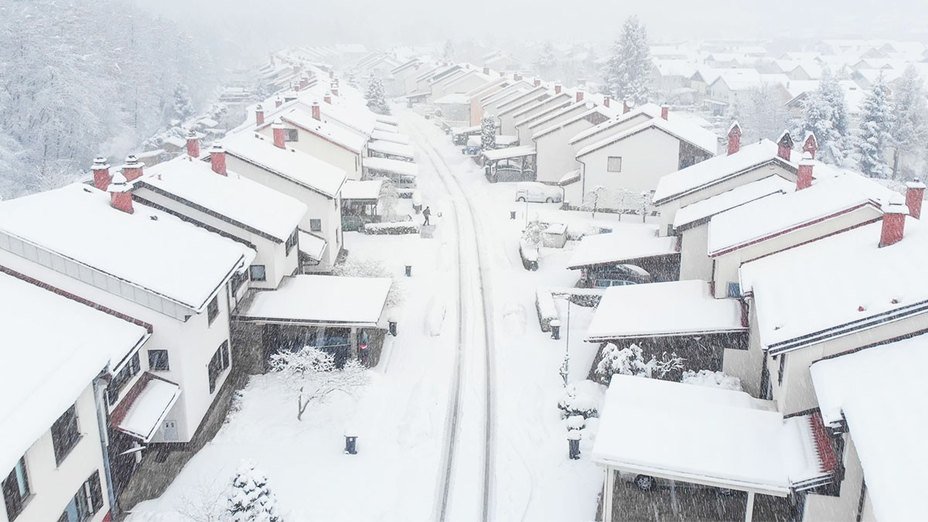
Winter can be tough on your home. Freezing temperatures, snow buildup, ice dams, and heavy rain all take a toll on exterior surfaces. That’s why a post winter exterior inspection should be one of the first things on your spring home maintenance list.
The good news? You don’t need special tools. Just 20–30 minutes and a careful eye.
Here’s a simple walkaround checklist to help you catch small problems before they become expensive repairs.
1. Roof & Shingles
Start by stepping back and looking at your roof from the ground.
Check for:
- Missing or lifted shingles
- Curling or cracked shingles
- Dark patches or uneven areas
- Sagging sections
- Debris buildup in valleys
Winter storms and freeze-thaw cycles can loosen shingles or cause hidden water damage. If you notice anything questionable, it’s best to have a professional take a closer look.
2. Gutters & Downspouts
Ice and snow can stress gutters more than homeowners realize.
Look for:
- Gutters pulling away from the house
- Loose fasteners
- Visible sagging
- Cracks or separation at joints
- Downspouts disconnected at the base
Also check that water is draining at least 3–5 feet away from your foundation. Poor drainage can lead to basement or crawl space moisture issues.
3. Siding & Exterior Walls
Walk the full perimeter of your home and inspect siding carefully.
Watch for:
- Warped or loose siding panels
- Cracks in vinyl or fiber cement
- Rotting wood trim
- Peeling paint
- Gaps around corners
Moisture intrusion often starts small. Catching it early can prevent costly structural repairs.
4. Foundation & Brickwork
Freeze-thaw cycles can create or expand cracks.
Check for:
- New foundation cracks
- Expanding existing cracks
- Mortar deterioration in brick
- Efflorescence (white powder residue)
- Water stains near the base of the home
If cracks appear wider than 1/8 inch or seem to be spreading, schedule a professional inspection.
5. Windows & Doors
Cold weather can shift frames and compromise seals.
Look for:
- Cracked caulking
- Gaps between trim and siding
- Soft or rotted wood
- Fogging between window panes
- Drafts
Resealing early helps prevent moisture intrusion and improves energy efficiency heading into summer.
6. Decks, Porches & Steps
Wood and concrete both expand and contract during winter.
Inspect:
- Loose railings
- Cracked boards
- Soft spots
- Nail pops
- Concrete cracks
- Settling steps
These aren’t just cosmetic issues — they’re safety concerns.
7. Driveways & Walkways
Winter salt and freezing temperatures can weaken concrete and asphalt.
Check for:
- Surface flaking
- Widening cracks
- Uneven sections
- Pooling water
Addressing minor cracks early can extend the life of your driveway.
Why a Post Winter Exterior Inspection Matters
Small issues left unchecked can turn into:
- Roof leaks
- Foundation damage
- Interior water intrusion
- Mold growth
- Structural repairs
A simple walkaround now can save thousands later.
If you notice anything concerning during your post winter exterior inspection, it’s smart to have a professional evaluate the issue before it worsens.
Spring is the perfect time to protect your investment and keep your home in top shape.