
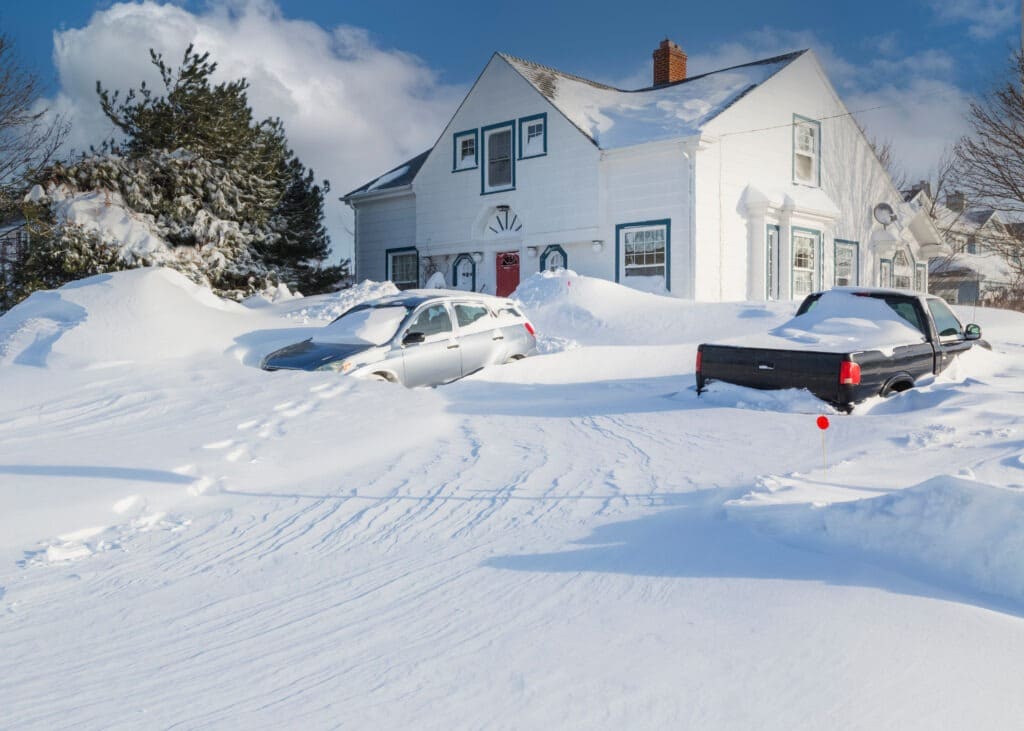
Winter is often when foundation problems become impossible to ignore. Small issues that were easy to overlook during warmer months can worsen as temperatures drop and moisture levels change. Homeowners may start noticing cracks, uneven floors, or doors that suddenly do not close properly.
These changes can feel subtle at first, but they are often early warning signs of foundation movement. Knowing what to look for during winter helps you take action before small problems turn into major structural repairs.
Common Foundation Warning Signs During Winter
Cold weather does not always cause foundation problems, but it can make existing issues more noticeable. Some of the most common signs include:
- Cracks in drywall near doors, windows, or ceiling corners
- Doors and windows that stick or no longer latch correctly
- Uneven or sloping floors
- Gaps between walls and baseboards
- Moisture, dampness, or musty odors in crawl spaces or basements
Seeing one of these issues does not automatically mean there is a serious problem. However, multiple signs, or changes that continue to worsen, should be inspected.
Why Winter Makes Foundation Issues Worse
Winter conditions create stress on the soil around a home. When moisture in the ground freezes, it expands. When it thaws, it contracts. This freeze and thaw cycle can cause soil movement that places pressure on foundation walls and supports.
Snow melt and winter rain can also saturate soil near the foundation. Wet soil is heavier and pushes harder against foundation walls. Poor drainage can make this pressure worse and increase the risk of cracking or bowing.
The Role of Moisture and Drainage
Water management plays a major role in foundation health during winter. Clogged gutters, short downspouts, and poor grading can allow water to collect near the foundation. Over time, excess moisture can increase hydrostatic pressure and lead to cracks, seepage, or crawl space humidity issues.
A few simple checks help reduce risk:
- Make sure gutters are clear and flowing
- Confirm downspouts discharge well away from the foundation
- Look for low spots where water pools near the home
- Check crawl spaces and basements for dampness or musty smells
If you see moisture inside, it is worth addressing quickly. Moisture problems rarely improve without intervention.
When to Schedule a Foundation Inspection
If cracks continue to grow, floors feel uneven, or moisture problems persist, it is time to schedule a professional inspection. A trained specialist can determine whether the changes are seasonal or signs of a deeper structural issue.
Kelly Lang Contractors provides foundation inspections and repair solutions designed to protect your home long term. If your home is showing signs of foundation movement this winter, getting answers now can help you avoid bigger problems later.
If you are seeing cracks, sticking doors, uneven floors, or moisture concerns, contact Kelly Lang Contractors to schedule an inspection.