
Winter can be rough on a house. Cold temperatures, ice, snow, wind, and big swings between freezing and thawing all put stress on the roof, siding, gutters, and even the inside of your home.
The good news is most winter-related problems leave clues early. If you catch them now, you can often avoid bigger repairs later.
Use this winter home damage checklist as a quick guide. You can do most of it in 15 to 30 minutes with a flashlight and a careful walk around your home.
Start inside first
1. Look for ceiling stains and wall discoloration
A faint brown ring on drywall or a small spot near a ceiling corner can be the first sign of a roof leak or flashing issue.
Check:
- ceilings on top floors
- corners of exterior rooms
- around chimneys, skylights, and vent pipes (if visible inside)
- closets on outside walls (these get missed often)
If a stain is growing, the issue is active. Even if it looks “dry,” it is worth getting it checked before the next storm.
2. Check windows for drafts and moisture
Cold air sneaking in can drive up your heating cost, but moisture is the bigger concern. Condensation around a window can be normal, but repeated moisture can lead to peeling paint, soft wood, and eventually mold.
Check for:
- cold drafts around frames
- condensation that happens often
- paint bubbling, cracking, or flaking
- soft wood on sills or trim
If you see soft wood, there is usually a sealing or water management issue that needs addressed.
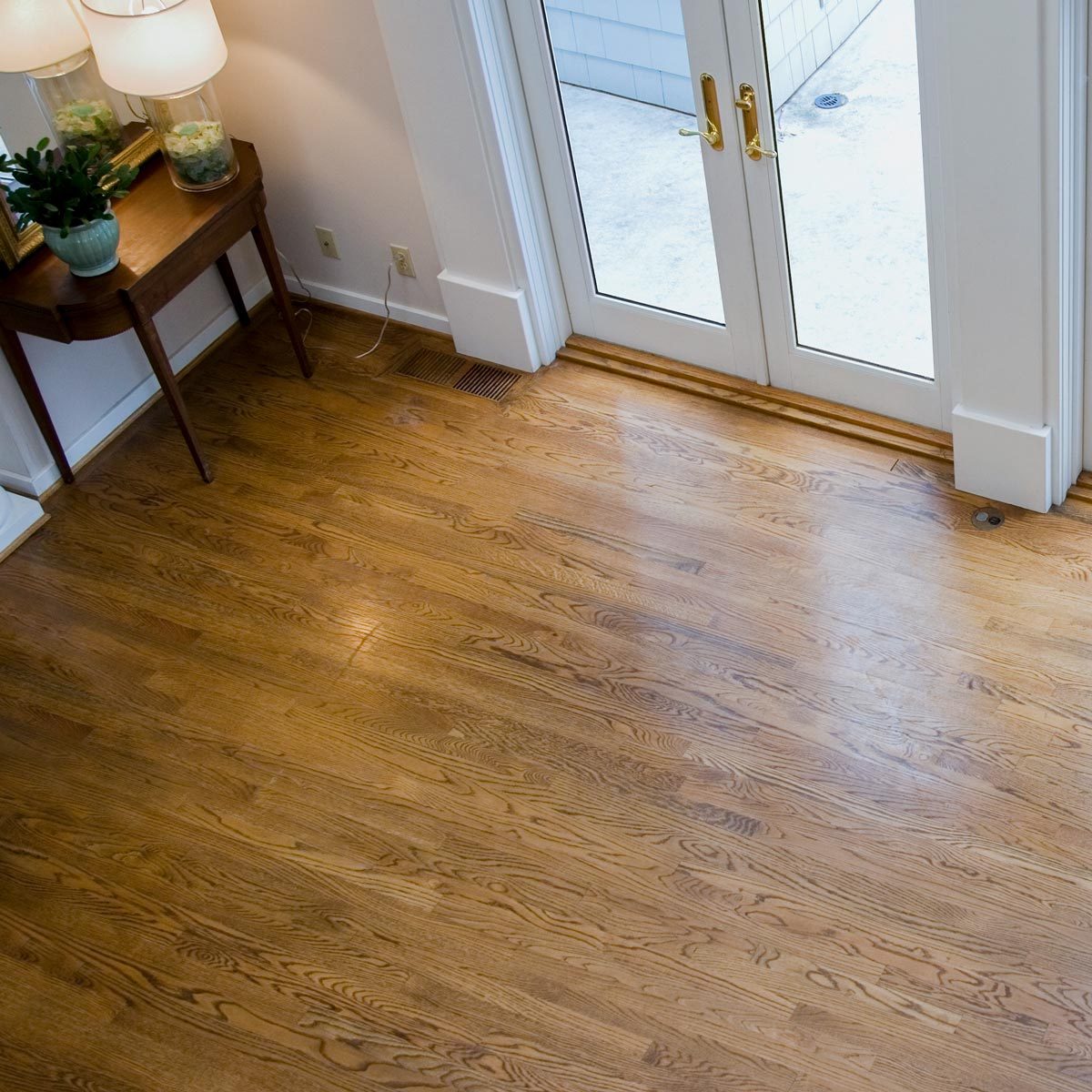
3. Walk the floors near exterior doors and windows
Snow and rain get tracked in, but winter can also expose hidden water intrusion around door thresholds.
Watch for:
- soft spots near doors
- flooring that feels “spongy”
- gaps that appear at baseboards
- new squeaks in one specific area
A small soft spot can mean the subfloor has been getting wet. That is something you want to catch early.
4. Look for drywall cracks that are new or spreading
Homes move a little season to season. Small hairline cracks can be normal, but cracks that widen quickly or follow stair-step patterns can point to a bigger issue.
Check:
- corners of doors and windows
- ceiling-to-wall seams
- areas above stairwells
If a crack is new and growing, make a note and take a photo. Comparing photos over a few weeks helps determine if it is stable or active.
5. Pay attention to musty smells or cold damp areas
Basements, crawlspaces, and utility rooms can tell you a lot in winter.
Signs to look for:
- musty odor
- visible dampness on walls
- standing water in low areas
- rusty furnace ductwork or metal shelving
- insulation that is falling or wet
If a space is staying damp in winter, it usually gets worse in spring.
Move to the exterior
6. Check gutters and downspouts for winter stress
Gutters take a beating from ice, snow load, and freezing water.
Look for:
- gutters pulling away from the fascia
- sagging sections
- downspouts that are loose
- water marks on siding under the gutter line
Even one loose section can dump water against your foundation. A quick fix now can prevent bigger problems later.
7. Inspect the roofline from the ground
You do not need to climb on the roof. A basic ground inspection helps you catch obvious issues.
Look for:
- missing shingles
- shingles that look curled or lifted
- exposed nail heads or flashing gaps
- debris buildup in valleys
- uneven roofline areas
If you see a spot where shingles look different or uneven, it is worth having it checked.
8. Watch for ice dams and heavy icicles
Icicles can look harmless, but they can be a sign of heat loss and poor ventilation. Ice dams happen when snow melts and refreezes near the edge of the roof, forcing water back under shingles.
Common signs:
- thick ice along the roof edge
- icicles forming repeatedly in the same area
- water stains inside near exterior walls
If this happens often, the root issue may be insulation, ventilation, or air leaks in the attic.
9. Look for siding, trim, and caulk gaps
Cold temps can shrink materials and crack caulk, letting water in when the thaw hits.
Check:
- caulk around windows and doors
- trim boards at corners
- siding seams or warped pieces
- exposed wood that needs paint
If water can get behind siding, you often will not see damage until it becomes expensive.
10. Check porches, steps, and decks for safety issues
Winter moisture and freeze-thaw cycles can loosen fasteners and make boards shift.
Look for:
- railings that wobble
- boards that feel loose
- steps that rock
- soft spots near where a deck meets the home
If the structure is moving, it is better to address it before spring entertaining season.
What to fix first
When you find issues, prioritize anything involving water.
Fix first:
- active leaks or stains
- gutters that are failing
- soft flooring or wet subfloor signs
- siding or trim gaps where water can enter
- unsafe steps, railings, or deck areas
Cosmetic repairs like paint touch-ups and minor drywall cracks can come after you handle moisture and structural safety.
When to call a contractor
Call a pro if you notice:
- repeating ceiling stains or new water spots
- soft spots in floors near exterior walls
- gutters pulling away or dumping water near the foundation
- shingles missing, lifted, or damaged
- recurring ice dams in the same area
- trim or siding that has visible rot
A quick inspection now can prevent bigger repairs when spring rains hit.
Want a second set of eyes?
If you have questions about something you found, we can help you sort out what needs handled now vs what can wait. A simple inspection can save you money and stress later.